
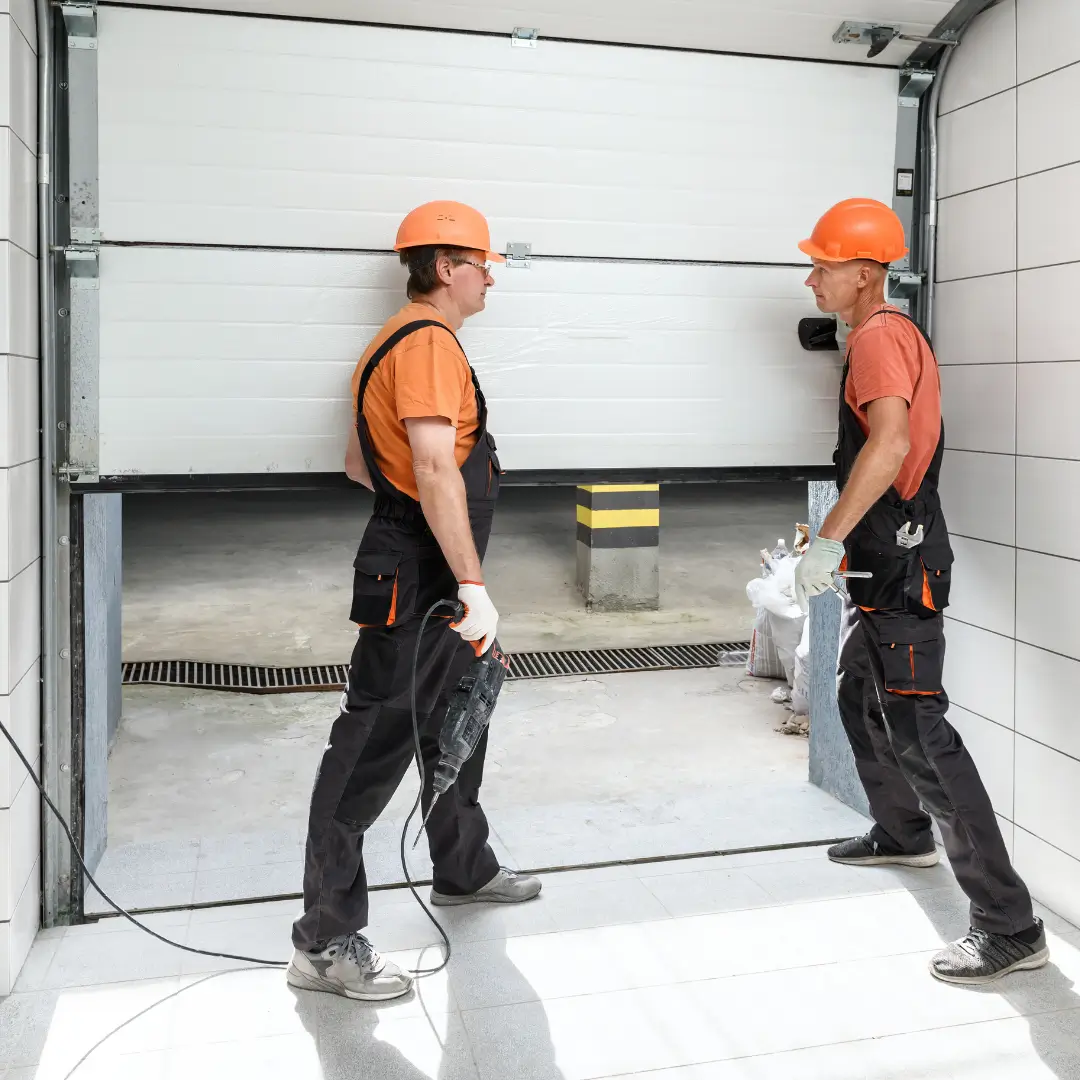
Common Garage Door Issues can disrupt your daily routine, compromise security, and create unexpected repair costs for Cedar Park homeowners. Understanding Common Garage Door Issues early helps prevent breakdowns, extend your door’s lifespan, and maintain safe, reliable performance year-round.
Understanding and addressing common garage door issues is essential for keeping your Cedar Park home secure, convenient, and comfortable. Here’s what every homeowner should know to ensure reliable operation and peace of mind—without wasting time or money when dealing with Common Garage Door Issues.
- Know your key garage door components—Like springs, cables, rollers, and safety sensors—so you can spot early signs of trouble and maintain top performance.
- Address sudden door problems promptly—Issues like door refusal, uneven movement, or sensor misalignment are most often caused by debris, power faults, or hardware wear.
- Leave spring and cable repairs to experts—Attempting DIY on high-tension components can cause serious injury; pro repairs protect both your family and your door’s lifespan.
- Reduce noise and wear with regular maintenance—A simple, twice-yearly checklist of cleaning, lubricating, and tightening hardware can add up to 10+ years of smooth, quiet operation.
- Perform only safe, basic DIY tasks—Limit yourself to lubrication, sensor cleaning, and hardware tightening, but call a pro for anything involving springs, cables, or opener malfunctions.
- Recognize urgent warning signs—Don’t ignore repeated slowdowns, reversals, or new grinding noises; these can indicate issues that threaten safety or require immediate professional attention.
- Choose licensed, transparent local providers—Look for strong reviews, clear pricing, and certified technicians to guarantee trustworthy work and fast emergency response.
- Demand itemized quotes and solid warranties—Expect repair costs of $150–$400 and part warranties of 1–3 years; true professionals make pricing and coverage clear before servicing your door.
Trusting your garage door to skilled professionals ensures lasting reliability and safety—explore the full guide to unlock expert tips, avoid costly mistakes, and keep your home running smoothly year-round.
Introduction
You press the button—and nothing happens. Or your garage door jerks halfway up, squealing in protest before grinding to a halt. If this scene sounds familiar, you’re not alone: over 70% of Cedar Park homeowners experience garage door issues at least once a year.
For a home built on comfort and convenience, a faulty garage door does more than disrupt your day—it can leave your property vulnerable and put your family’s safety at risk.
The good news? Most garage door problems are easy to spot if you know what to look for, and solutions often start with a few simple checks.
But when should you grab your toolbox—and when is it time to call a trusted expert for help?
In this complete guide, you’ll discover:
- The most common warning signs and what they mean for your door’s health
- Easy, expert-backed troubleshooting steps you can handle yourself
- Safety tips every Cedar Park homeowner should know before attempting DIY repairs
- The telltale clues that signal it’s time for a professional repair—or even a full replacement
- How regular maintenance now can save you hundreds in costly breakdowns later
Imagine the peace of mind that comes from a quiet, smoothly operating door—no more surprise jams, late-night noises, or worries about security.
At Ahura Garage Doors, our family-owned team believes every customer deserves honest answers, fair pricing, and repairs that last, all with a neighborly touch that puts your needs first.
Let’s take a closer look under the hood to help you spot, solve, and prevent the garage door issues that matter most—keeping your Cedar Park home secure and your routine stress-free.
Understanding Garage Door Systems: Key Components and How They Work
A modern garage door system has several essential parts working together for smooth operation and daily peace of mind.
From the outside, the main components every Cedar Park homeowner should know include:
- Springs (torsion & extension): Provide the lifting force; typically rated for 10,000+ cycles before replacement is needed.
- Cables: Connect springs to door, ensuring balanced motion and safety during lifting.
- Rollers & tracks: Guide the door as it moves up and down; worn rollers or debris-filled tracks cause jerky or stuck movement.
- Hinges: Link door panels for smooth folding during travel.
- Weather seals: Block dust, water, and drafts – crucial in Texas weather.
Modern Opener Mechanisms and Motor Types
Today’s garage doors rely on a range of opener systems, each with their own pros:
- Chain drive: Reliable and budget-friendly, but can be a bit noisy.
- Belt drive: Quieter—ideal near bedrooms or living spaces.
- Screw drive: Requires less maintenance; best for wide or heavy doors.
- Direct-drive: Ultra-smooth and silent, with fewer moving parts.
Opener lifespan averages 10-15 years—timely upgrades deliver quieter, more secure access.
“A well-calibrated opener is the gatekeeper to stress-free mornings and peaceful evenings.”
Built-In Safety Features You Should Expect
For family safety, every system includes:
- Auto-reverse sensors: Instantly stop and reverse the door if the beam is interrupted—mandatory by law since the 1990s.
- Emergency release cord: Lets you open or close the door manually during power outages.
- Safety cables: Prevent extension springs from snapping dangerously—always check their condition.
“Your door’s hidden heroes: sensors and cables that keep homes safe, rain or shine.”
Why Professional Installation and Calibration Matter
Proper installation means:
- Springs are tensioned to exact specs—preventing sudden failure or shattered parts.
- Tracks and openers are aligned—eliminating uneven wear, loud operation, and lost years from your system’s lifespan.
- Safety devices are tested for peace of mind, ensuring that crucial auto-reverse and emergency release functions work every time.
Picture this: An off-balance door crashes down in seconds—professional setup is your first layer of protection.
If any part of your system looks out of place or worn, hold off on DIY and call certified help.
A quick expert check can save you from expensive repairs and protect your family, making routine system checks and professional calibration the cornerstone of safe, reliable garage door performance.
The Most Common Garage Door Issues and How to Identify Them
Door Refuses to Open or Close Properly
A door that won’t budge—or stops halfway—signals a problem homeowners encounter daily.
The top causes include:
- Sensor misalignment: Check for blinking or non-illuminated sensor LEDs near the door base.
- Obstructions: Remove debris, spiderwebs, or boxes blocking sensor beams.
- Opener or power failure: Test the wall button, check if the opener is plugged in, and reset breakers or GFCIs.
- Manual lock: Confirm the door isn’t accidentally locked from the inside.
Test sensors by aligning them until LEDs glow solid. Clean the lenses gently—often, even a bit of dust can break the connection. A quick tug on the red release cord lets you manually check for door balance: if the door doesn’t stay halfway open when lifted, it’s out of balance and should be serviced for safety.
“A misaligned sensor is responsible for over 60% of non-opening calls we see in Cedar Park homes.”
—
Broken or Worn Springs and Cables
A loud bang, a door that feels heavy, or one that lifts unevenly usually means spring or cable trouble.
Look out for:
- Visible gaps in the spring coil or uneven cable tension.
- Jerky movement or doors slamming shut.
- Doors that just won’t stay up after disconnecting the opener.
Springs are rated for about 10,000 cycles—which is only a few years for a busy household. Don’t DIY spring or cable repairs: These parts are under high tension and can cause serious injury. Instead, contact a certified professional for fast, safe repair.
“Never attempt to fix a snapped garage spring yourself—this is a job only professionals should handle.”
—
Noisy or Jerky Operation
Sudden grinding, squealing, or banging?
Common triggers:
- Loose hardware: Hinges or bolts may need tightening.
- Unlubricated rollers or hinges: Twice-a-year lubrication with silicone spray or lithium grease keeps things quiet.
- Worn opener gears: Metal dust near the opener means it’s time for part replacement.
If noise persists after these steps, there’s likely a deeper mechanical issue worth professional review.
“A quiet garage door is a sign of a healthy system—persistent noise means it’s time for a tune-up.”
—
Off-Track, Stuck, or Warped Doors
If your garage door moves side-to-side, stalls midway, or appears bent:
- Inspect tracks: Clear away gravel, dirt, or small objects.
- Roller and cable check: Frayed cables or stuck rollers signal trouble.
- Check for warping: Wood doors are vulnerable to Texas humidity, causing misalignment.
- Severe warping or persistent jams mean it’s time for professional help and possibly a new door.
Picture this: A door slipping off its track mid-close on a stormy night—a frightening and urgent repair.
—
Opener and Remote Malfunctions
When remotes or wireless pads stop working:
- Check LED codes: Most brands flash error codes (1-4 blinks for sensors, 5+ for internal faults).
- Reset remotes: Reprogram via manual instructions; replace batteries.
- Inspect logic board and wall controls; sudden unresponsiveness could be a sign of circuit board issues.
If problems persist after basic troubleshooting, or you notice grinding with no door movement, call your local expert.
—
Being able to spot these 5 core problems immediately keeps your home secure and your garage system reliable. For heavy repairs or anything involving springs, cables, or electrical diagnostics, trust your local experts—peace of mind is worth every penny.
Preventive Maintenance: Keeping Garage Doors Reliable and Safe
The Twice-Yearly Maintenance Schedule
Staying ahead of garage door problems is simple—twice-yearly maintenance (each spring and fall) can help your door last up to 25 years.
Picture this: A smooth, quiet, automatic door every time you come home—this is the reward for regular upkeep.
Using a consistent checklist transforms maintenance from a hassle to a five-star home habit.
Inspection Checklist: What to Check—And How
Always unplug the opener before starting.
Check these spots, one at a time, for wear, cracks, or damage:
- Springs: Look for rust, separation, or stretching
- Cables: Watch for frays or loose ends
- Rollers and Tracks: Rollers should spin freely; tracks must be clear of debris and straight
- Hinges and Panels: Tighten screws; inspect for warping or rust
If your door feels heavy or jerky, a quick balance test tells you if your springs need attention—just disconnect the opener, lift the door halfway, and see if it stays put.
Cleaning, Lubrication, and Hardware Tightening
A little cleaning and lubrication makes a world of difference.
- Use silicone spray or white lithium grease on springs, rollers, hinges, and rails—but avoid using WD-40 or getting any lubricant on the opener electronics.
- Clean panels with mild detergent and a damp cloth.
- Tighten all visible bolts and hardware, but don’t over-tighten—think “snug,” not “stuck.”
A smooth garage door is a sign of a well-cared-for home.
Safety Essentials and Pro Tips
Always disconnect power before starting work—safety is non-negotiable.
- Never attempt repairs on high-tension springs or cables yourself.
- Test the auto-reverse mechanism (place a 2×4 under the door). It should reverse right away—if not, call a professional.
- Know how to use the emergency release: red cord, gentle pull, no surprises.
Picture a quick tune-up that protects your investment and keeps your family safe.
“Preventive maintenance is peace of mind made easy—small routines mean big savings.”
The big win: Regular checks and minor fixes are the secret to a trouble-free, safe garage door—and the ultimate convenience for every Cedar Park homeowner.
Safety Considerations and DIY Garage Door Repairs
When DIY Is Safe—And When It Isn’t
Not every garage door issue calls for a professional—but knowing your limits is key for both your safety and your wallet.
Most homeowners can safely handle routine lubrication, basic sensor cleaning, and tightening visible hardware. For instance, a quick spray of garage-door-specific silicone on hinges and rollers twice yearly cuts down on noise and keeps things running smoothly.
Picture this: You notice your door won’t close all the way, and a blinking green LED on the sensor catches your eye. A soft cloth and gentle lens wipe often solve the problem.
Never attempt to adjust, remove, or replace high-tension components—like springs, cables, or the opener’s internal gears. Over 20,000 garage door-related injuries occur annually in the U.S., many from DIY spring repairs gone wrong.
“If your door feels suddenly heavy, sags on one side, or you hear a loud bang, step back—these are classic signs of a broken spring or cable that only a pro should touch.”
Smart DIY Steps and Essential Precautions
Before doing any work, always unplug the opener and disconnect power at the breaker. For stuck doors, release the emergency pull cord, then gently guide the door closed—never force it or leave it unsupported.
Keep these basic tools and safety gear on hand:
- Work gloves and safety glasses
- Silicone spray or white lithium grease (never WD-40)
- Socket wrench and basic hand tools
- Clean, dry rags for sensor and track cleaning
If you notice frayed cables, bent tracks, loose springs, repeated opener errors, or scorched wiring, stop immediately and call for help.
“A stubborn door is one thing; a snapped cable or hissing spring is another. Know the difference—your peace of mind depends on it.”
Clear Signs to Call an Expert
You’re in safe territory with minor cleaning and lubrication. For anything involving electrical repairs, spring or cable replacement, or persistent opener faults, rely on certified technicians.
- Typical professional spring replacement costs in Cedar Park: $175–$350, but protects against costly injuries.
- Attempting unqualified repairs can void your warranty and shorten door lifespan.
The smartest homeowners know: “Convenience and safety start with knowing when to call your garage door expert.”
By keeping your DIY tasks to the basics and watching for warning signs, you get the best blend of safety, savings, and peace of mind—every time you use your garage door.
Signs It’s Time for Professional Garage Door Service
Recognizing Advanced Warning Signs and Urgent Issues
Sometimes, your garage door starts quietly warning you before a major problem strikes.
Watch for these high-impact symptoms:
- Slow or jerky operation rather than a smooth glide
- Multiple reversals before finally closing
- Unusual noises like grinding, squealing, or loud clicks
- Sagging sections or a crooked appearance
- Persistent error codes on your opener or flashing LED sequences
If you see your garage door pausing halfway or slamming shut, it’s time to act.
In Cedar Park, homeowners often report mysterious nightly noises—one client described hearing a “sudden bang at 2 a.m.” That sound was a snapped torsion spring, and it led to a stuck door the next morning.
Delaying service rarely pays off. Unresolved issues shorten your door’s lifespan, compromise safety, and can eventually lower your property’s value by up to 3%.
“Don’t ignore the small signs—what starts as a squeak can turn into an emergency before you know it.”
“Your door’s safety features are only as reliable as their latest inspection.”
“Every Cedar Park home deserves a garage door that works quietly and reliably.”
Garage Door Repair vs. Replacement: Making the Right Choice
Wondering whether to patch up or replace your garage door? Focus on these key criteria:
- Total repair cost vs. replacement cost—If repairs exceed 50% of a new door’s price, consider replacement
- Frequency and severity of recent issues
- Age of your system (most last 15-25 years)
- Desire for updated looks or smart features
Recent trends show 8 out of 10 Cedar Park residents opt for replacement when multiple hardware components start failing within the same year. Still, minor repairs are often best when your door is newer or issues are clearly isolated.
Ahura Garage Doors offers transparent evaluations, never pushing what you don’t need. Our experts walk you through photos, real-time estimates, and honest advice so you can confidently decide what’s best for your home.
When major warning signs appear—don’t risk bigger headaches later.
The right time to call a pro is when you notice slowdowns, strange sounds, or repeated failures. Investing in expert service early keeps your door running safely and adds value to your home for years to come.
Choosing the Right Garage Door Service Provider in Cedar Park
Finding a reliable garage door company in Cedar Park means more than just quick repairs—it’s about safeguarding your home, budget, and peace of mind for years to come.
Picture this: Your garage door refuses to budge during a Texas thunderstorm, and you need help fast. How do you know who to trust with your home and your safety?
What Sets a Trusted Provider Apart
Evaluate every company through the lens of these essential qualities:
- Proven expertise with modern doors, openers, and safety systems
- Active licensing, insurance, and clear credentials
- Strong local reviews highlighting customer satisfaction and successful outcomes
- Prompt, professional response times (Aim for same-day or next-day service)
- Transparent, itemized pricing with no hidden fees or vague quotes
Did you know? In Cedar Park, repair costs range from $120 for basic adjustments to $550+ for more complex fixes. Clear pricing protects your wallet from surprise charges.
Watch Out for These Red Flags
Don’t settle for less when it comes to your family’s safety.
Be alert if you spot:
- Pressure tactics to “act now for a special deal”
- No proof of licensing or insurance
- Inconsistent communication or unanswered calls
- Quotes that are too broad or seem “too good to be true”
- Poor or non-existent online reputation—always check Google and Nextdoor reviews
Questions Every Homeowner Should Ask
Before signing on, ask:
- “Are your technicians background-checked and certified for garage door work?”
- “Can you provide a written quote upfront?”
- “What’s the warranty on parts and labor?”
- “How quickly can you arrive if there’s an emergency?”
A trustworthy company will welcome these questions and answer confidently.
Why Cedar Park Homeowners Turn to Ahura Garage Doors
At Ahura Garage Doors, our mission is customer-first service—backed by:
- Technicians with 10+ years’ experience, always in uniform and ready to help
- Fast, reliable emergency response and up-front, fair pricing
- Clear warranties and honest recommendations, never selling what you don’t need
- Dozens of five-star reviews from neighbors who call us “the most reliable garage pros in Cedar Park”
Imagine a service call that ends with your garage door purring quietly and your stress melting away—that’s our commitment.
Choosing a licensed, transparent, and well-reviewed local provider means fewer headaches, honest answers, and true peace of mind for your home, season after season.
Cost Factors and Warranty Considerations
When it comes to garage door repairs and replacements in Cedar Park, homeowners should be prepared for a range of costs based on issue severity and door type.
For the most frequent repairs—broken springs, misaligned sensors, worn cables, and noisy rollers—average prices typically fall between $150 and $400 per service, according to recent market data.
Full garage door replacements often range from $1,200 to $2,600, with premium doors or high-end openers increasing that total.
What Impacts Your Garage Door Service Costs?
Several variables can influence the final bill:
- Part type: Torsion springs usually cost more to replace than extension springs.
- Labor complexity: Custom wood doors and smart openers demand more specialized labor, raising service costs.
- Emergency or after-hours responses: Expect premium charges, sometimes 25-50% higher than standard rates.
- Parts availability: Unique styles or specialty brands may require rush shipping or sourcing fees.
Getting a quote? Insist on itemized estimates that include:
- Labor and travel charges
- Parts pricing (brand, type, and warranty length)
- Disposal and recycling fees if applicable
- A visible breakdown—transparency over guesswork
What to Expect from Reputable Warranties
With trusted companies, garage door repairs should come with warranties protecting your investment:
- Parts warranty: Coverage generally spans 1-3 years on springs, openers, cables, and rollers.
- Labor warranty: Most professional installers and repair techs guarantee workmanship for at least 12 months.
- Extended warranty options: Some providers offer add-on plans for extra peace of mind.
Picture this: You just had a spring replaced, but it fails two months later—always verify that your repair is covered without added cost.
How Ahura Garage Doors Brings Peace of Mind
At Ahura Garage Doors, upfront, transparent pricing is a promise—not a sales pitch.
- Our quotes are easy to understand and include every expected cost, so you can plan confidently.
- Our exclusive workmanship guarantee and parts warranty ensure you’re never left in the dark if something goes wrong after service.
- We believe “No surprises, just solutions” is more than a slogan—it’s our approach to every call.
Homeowners in Cedar Park deserve clarity, fair pricing, and real protection—so you get top value long after the work is done. The right combination of honest estimates and solid warranties means more than great service today; it means trust that lasts for years to come.
Frequently Asked Questions
What are the most Common Garage Door Issues homeowners face?
Common Garage Door Issues include broken springs, worn cables, misaligned sensors, noisy rollers, and malfunctioning openers. Identifying these Common Garage Door Issues early prevents larger mechanical failures and costly repairs.
Can I fix Common Garage Door Issues myself?
Some minor Common Garage Door Issues, such as lubricating rollers or cleaning sensors, are safe DIY tasks. However, spring and cable-related Common Garage Door Issues should always be handled by trained professionals due to safety risks.
How often should I maintain my garage door to prevent Common Garage Door Issues?
Perform maintenance twice a year to reduce Common Garage Door Issues. Cleaning tracks, lubricating moving parts, and tightening hardware significantly extend system life and improve performance.
When do Common Garage Door Issues require immediate professional repair?
If your door reverses unexpectedly, moves unevenly, makes grinding noises, or fails to open, these Common Garage Door Issues require immediate professional inspection to prevent injury or further damage.
How much do Common Garage Door Issues typically cost to repair?
Most Common Garage Door Issues repairs range between $150 and $400, depending on parts and labor. Major spring replacements or opener failures may cost more but provide long-term reliability.
Conclusion
A well-maintained garage door protects what matters most—your home, your family, and your peace of mind. Whether it’s early signs of wear or a sudden malfunction, knowing how to act confidently transforms unexpected issues into opportunities for better home safety and convenience.
By staying proactive and informed, you can extend your garage door’s lifespan and avoid costly emergencies—making worry-free mornings and smooth arrivals your everyday standard.
—
Key Takeaways for Every Cedar Park Homeowner:
- Spot small problems early: Address sensor errors, unusual noises, and inconsistent movement as soon as they appear
- Prioritize safety: Leave high-tension spring or cable repairs to certified professionals—never risk DIY injuries
- Adopt a preventive mindset: Schedule twice-yearly maintenance for smoother operation and maximum door longevity
- Choose trusted expertise: Select a provider with transparent pricing, strong warranties, and proven local reviews
- Know when to upgrade: If repairs become frequent or costly, consider the benefits of a new door for long-term peace of mind
—
Ready to take control of your garage door’s health? Here’s what you can do today:
- Perform a quick visual check—look for frayed cables, rusted springs, and blocked sensors
- Book a preventive maintenance visit with a licensed specialist right away
- Keep safety first—use only the recommended lubricants and steer clear of high-tension repairs
- Reach out to Ahura Garage Doors for a free, no-pressure expert assessment if you notice any warning signs
—
A reliable garage door means more freedom and confidence every time you pull into your driveway.
When you choose expertise and proactive care, you’re not just fixing problems—you’re investing in safer tomorrows, stress-free mornings, and a home that truly welcomes you in.
Protect your peace of mind—let your garage door experts be your partners every step of the way.
Garage Doors
Ahura brothers services LLC
Your Trusted Garage Door Experts in Austin Texas
