
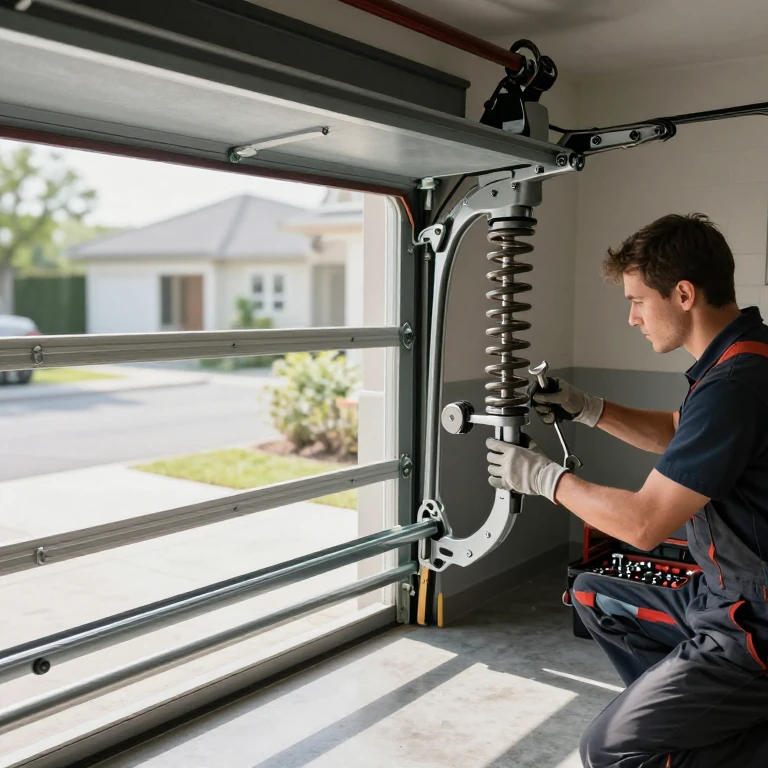
Garage door components are the foundation of a safe, reliable, and long-lasting garage system. Understanding how each part works—from springs and cables to rollers and smart openers—helps you prevent costly repairs, improve safety, and communicate effectively with professionals.
Whether you’re troubleshooting a noisy door or planning an upgrade, knowing your garage door components puts you in control. Here are the most actionable insights every Cedar Park homeowner should know for reliable, expert-level garage door care.
- Know Your Core Components: Identifying panels, tracks, rollers, hinges, springs, and cables helps you spot problems early and describe issues clearly for faster, more precise repairs.
- Prioritize Regular DIY Maintenance: Lubricate rollers, hinges, and springs every six months and inspect for wear monthly to extend your door’s lifespan and prevent unexpected breakdowns.
- Leave High-Tension Repairs to Experts: Never attempt to adjust or replace springs or cables yourself; these components are under extreme tension and pose serious safety risks—always call professionals for these tasks.
- Recognize Signs of Trouble: Squeaking, grinding, uneven closing, or sudden heaviness signal potential issues like worn rollers, misaligned tracks, or broken springs; address these quickly to avoid bigger problems.
- Upgrade for Security and Convenience: Modern doors offer photo-eye sensors, auto-reverse features, and smart controls—boosting both safety and ease-of-use for your family.
- Communicate Clearly in Service Calls: Using accurate terminology (“frayed cables,” “stuck rollers,” “broken spring”) and sending photos streamlines troubleshooting and ensures swift, effective solutions.
- Invest in Smart & Efficient Innovations: Insulated panels, weatherproofing, and Wi-Fi-enabled openers deliver up to 71% better energy savings and enable remote, secure access—future-proofing your garage and home.
Proactive care and a little know-how can add years of smooth, reliable service to your garage door—read the full guide to become your own garage door expert and keep your Cedar Park home safe, stylish, and secure.
Introduction
Ever tried to head out in a hurry, only for your garage door to refuse to budge—or groan so loudly it wakes the whole neighborhood? You’re not alone: over 65% of urgent garage repairs stem from surprise breakdowns in critical door components.
For Cedar Park homeowners, a reliable garage door isn’t a luxury—it’s vital security, convenience, and peace of mind rolled into one.
But here’s the good news: knowing the basics of how your garage door works puts you firmly in control—helping you catch problems early, describe issues clearly to your service pros, and safeguard your investment for the long run. Imagine fixing a sticky latch or reporting a suspicious noise with confidence, instead of guesswork.
What exactly makes a garage door lift smoothly, close quietly, and keep your home protected every single day?
In this guide, you’ll get an approachable, expert-driven walkthrough of:
- The must-know parts every homeowner should recognize—from panels and rollers to springs and smart locks
- The mechanics that make every opening and closing effortless (and what it means when things go wrong)
- Pro tips for routine care and when it’s time to call in Cedar Park’s customer-first experts
- How new innovations—like Wi-Fi openers or insulated panels—are elevating garage doors from basic entryways to features you’ll truly value
We’ll keep the tech jargon to a minimum, focusing on what actually matters for your safety and everyday comfort.
Whether you’re troubleshooting a noisy door, planning an upgrade, or simply want to get the most out of your garage, you’re in the right place—with Ahura Garage Doors, your local experts who always put your satisfaction first.
Let’s get started by uncovering the essential structure behind every smooth-running garage door—and how a little knowledge can make all the difference on your next service call.
The Essential Structure of a Garage Door System
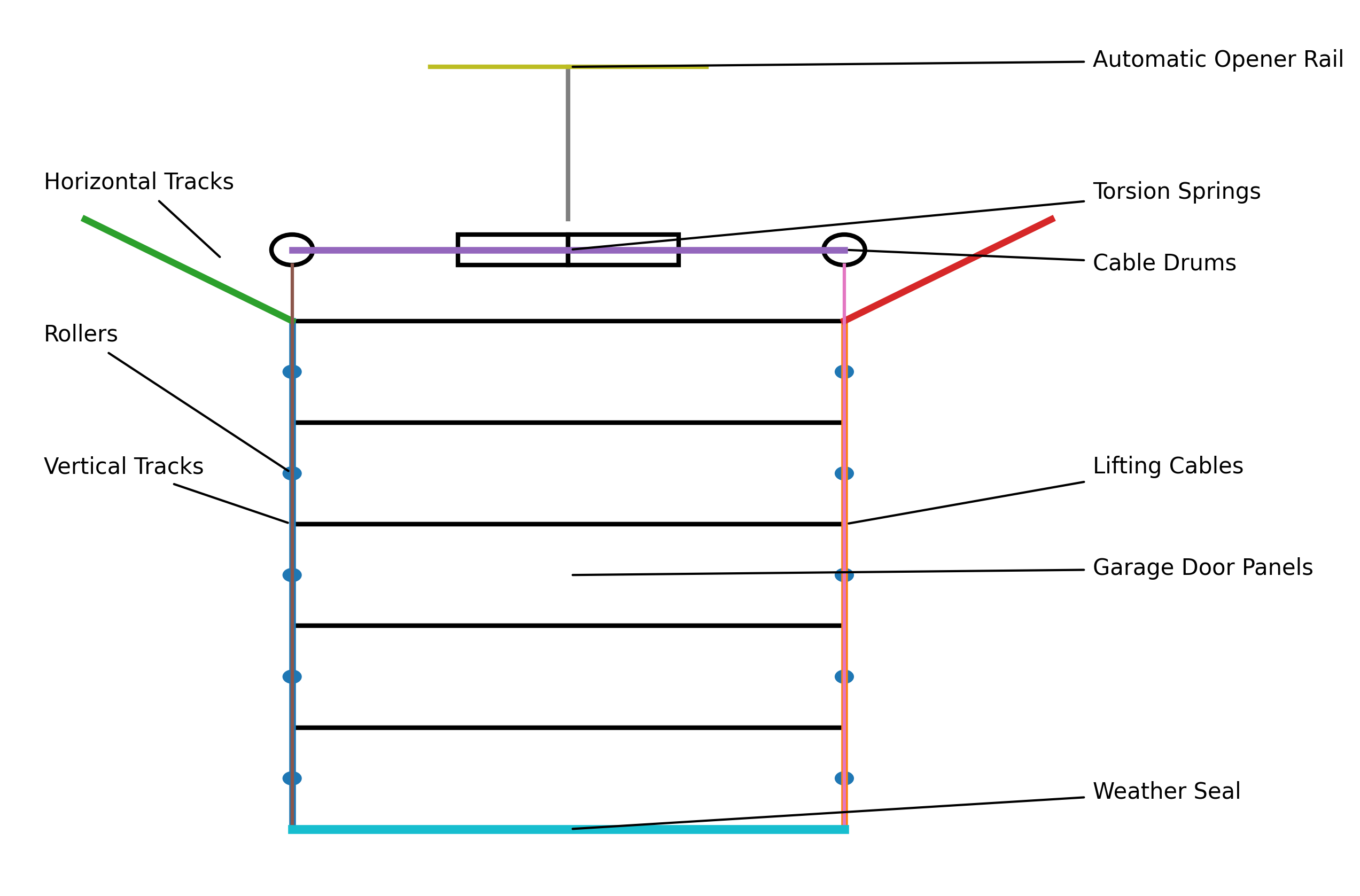
A typical residential garage door system relies on a handful of key components working seamlessly together for reliable, safe operation.
Knowing these parts not only boosts home safety—it empowers you to describe issues clearly when contacting service professionals like Ahura Garage Doors.
“A well-maintained garage door is both your home’s guardian and your daily convenience.”
Panels and Door Construction
Picture this: your garage door’s surface is made of interlocking panels—each a vital link in the chain.
- Popular panel materials:
- Steel (most common; high durability)
- Wood (classic appeal, requires more care)
- Aluminum (lightweight, rust-resistant)
- Fiberglass (light, weatherproof)
- Insulation levels:
- Single-layer (basic, least efficient)
- Double/triple-layer (energy savings, sound reduction)
- Panel hinges at each seam grant the door flexibility and shape, letting it curve smoothly as it opens overhead.
- Weatherproofing, colors, and finishes combine functional protection with curb appeal.
You’ll find that well-chosen panels resist Cedar Park’s heat, humidity, and wear—and regular wipe-downs help keep them looking sharp.
Tracks, Rollers, and Hinges
Every smooth lift and quiet close starts here:
- Tracks (vertical and horizontal) guide the door up and back.
- Rollers (steel for strength, nylon for low noise) glide inside those tracks; lubricate a few times yearly for best performance.
- Hinges connect the panels, carry some of the door’s weight, and allow for flex—watch for squeaks or wobbling as signs of wear.
Proper alignment is crucial; even a slight bend or shift can make your door feel “sticky” or sound unusually loud.
Springs, Cables, Drums, and Counterbalance
If garage doors weigh over 150 lbs, how do they lift so easily? The secret is the counterbalance system.
- Springs:
- Torsion springs (mounted over the door) twist to store lifting energy;
- Extension springs (alongside tracks) stretch for the same purpose.
- Cables and drums work with these springs, ensuring the door rises and lowers in a controlled, balanced motion.
- The torsion tube/shaft acts like a backbone, distributing the force across the door width for smooth, even lifting.
It’s this combination that makes lifting a two-car door feel almost weightless.
Support and Reinforcement Components
Staying secure starts at the frame:
- Brackets: anchor tracks, rollers, and springs—look for center, flag, and track brackets.
- Struts: reinforce larger doors so they don’t sag or bend over time.
- Bottom seals and weatherstripping shield your garage from rain, dust, and energy loss.
These unsung heroes keep your door operating safely in every season.
Safety and Security Additions
Modern doors include:
- Built-in and manual locks for added peace of mind.
- Seals and barriers that guard against pests and water entry.
- Security hardware: from basic lock bars to more advanced smart lock features.
When choosing a new system, basic security is standard—with options to upgrade for even more protection.
By understanding the structure of your garage door, you can spot issues early, communicate clearly with technicians, and ensure your investment in a safe, beautiful entryway pays off for years to come. For immediate peace of mind, remember: “A little garage door knowledge goes a long way—especially when your family’s safety is on the line.”
Understanding your garage door components is essential for preventing costly repairs and ensuring long-term performance. For expert help and full system upgrades, explore our garage door services designed for reliable and professional solutions.
How Garage Door Mechanisms Operate
Opening your garage door might look simple, but a lot happens behind the scenes to keep it smooth and safe. Understanding the counterbalance system gives homeowners practical insight for troubleshooting and communication.
Manual Operation Mechanics
A garage door’s springs do the heavy lifting. When you close the door, the springs store energy—either by twisting (torsion springs) or stretching (extension springs).
When you open the door:
- Springs release stored energy to counteract the door’s weight.
- Cables and drums work together, winding and unwinding smoothly to lift or lower the door.
- Rollers keep movement quiet and on track.
A well-functioning door lets you lift it with just one hand—it should feel nearly weightless if everything is balanced. If it suddenly becomes heavy or jerky, that’s a key sign something’s wrong.
“A balanced garage door feels lighter than a grocery bag—when it doesn’t, call an expert.”
Automated Garage Door Openers
Automation adds effortless convenience. The opener system includes:
- Motor: Powers the lifting action.
- Trolley or carriage: Travels along a rail, pulling or pushing the door via an arm.
There are four common drive types—each with distinct advantages:
- Chain drive: Strong, reliable for heavy doors, but louder.
- Belt drive: Quiet, ideal for attached garages.
- Screw drive: Fewer moving parts, low maintenance.
- Side-mount: Compact and ultra-quiet, great in tight spaces.
Limit switches control stop points, while the opener and counterbalance work as a team—making your door safe and easy every time.
Integrated Safety Features
Modern openers are built for families:
- Photo-eye sensors: Stop and reverse the door if something’s in the way.
- Auto-reverse function: Adds critical peace of mind for child and pet safety.
- Emergency release cord: Lets you open the door by hand during power loss.
“A garage door opener today is as much about safety as it is about convenience.”
Controls and Smart Technology
Gone are the days of basic remotes. Homeowners now tap, swipe, and use voice commands to control their doors:
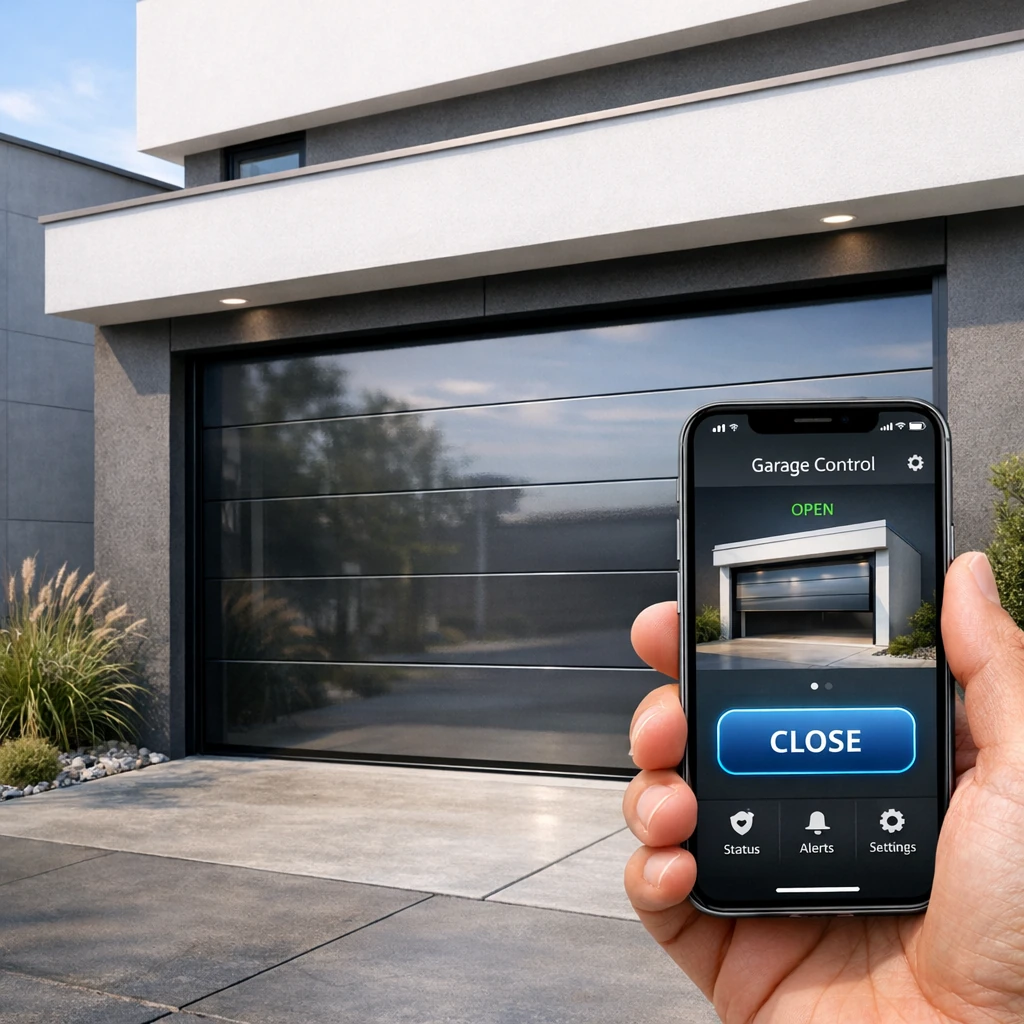
- Remotes, keypads, smartphone apps provide flexible access.
- Wi-Fi connectivity and smart home integration are standard in new systems.
- Security is top priority with rolling code technology, vacation modes, and customizable user access.
With a clear view of how your garage door operates, it’s easier to spot issues early and explain them when you call for help—ensuring fast, accurate service from your local experts.
Maintenance and Service Considerations
Every homeowner in Cedar Park knows that consistent garage door maintenance is the key to smooth, quiet operation and long-term reliability.
A well-maintained garage door system not only keeps your daily routine seamless, but also protects your investment and ensures your family’s safety.
DIY Maintenance Basics
Picture this: You open your garage, and the door glides up without a creak or stutter—thanks to a little DIY care.
You can easily extend the life of your door by sticking to these simple, regular tasks:
- Lubricate rollers, hinges, and springs every six months using a non-silicone, garage-friendly lubricant for whisper-quiet movement.
- Visually inspect for frayed cables, loose brackets, and rusty hardware monthly to catch issues early.
- Wipe down weather seals and tracks to prevent debris buildup and keep everything running smoothly.
Most routine maintenance can be safely handled by homeowners—just avoid adjusting springs or cables yourself, as these parts are under extreme tension and can cause injury.
A quick inspection every season can prevent sudden failures and may save on costly repairs down the road.
Professional Maintenance and Repairs
There are moments when expert hands are essential—especially for high-tension springs, heavy doors, and complex opener issues.
Choose professional service for:
- Spring adjustments or replacements (these are never a DIY project).
- Cable and drum repairs—since a snapped cable can cause your door to crash unexpectedly.
- Troubleshooting openers, persistent grinding noises, or doors that fail to open evenly.
Ahura Garage Doors brings peace of mind with licensed technicians who value integrity, safety, and your family’s comfort.
Our transparent pricing and customer-first approach set us apart, ensuring you’re never left in the dark.
Cost Factors and Value Considerations
Concerned about costs? Here’s a practical look at what to expect in Cedar Park:
- Replacement panels: $250–$700 depending on style and material
- Spring replacement: $175–$350 per spring (including labor and parts)
- Openers: $300–$600 for new installations with trusted brands
Proactive maintenance reduces the chances of emergency breakdowns and can extend the life of your garage door system by up to 30%.
Choosing Ahura Garage Doors means transparent estimates, expert repairs, and guaranteed service that protects what matters most to you.
Regular care is the fastest path to a reliable garage door and fewer repair headaches—giving you confidence, convenience, and a touch of “always at your service” professionalism.
Identifying Faults and Using Accurate Terminology
Every homeowner benefits from knowing the correct names for garage door parts—it’s the fastest path to a quick, frustration-free fix when something breaks.
When you can say “sticky rollers” or “loose hinge,” you make it easier for technicians to deliver efficient, expert service.
Picture this: Your garage door starts making a grinding squeal on opening. Is it a cable, roller, or hinge issue? Knowing the difference could save hours.
Component-Specific Fault Signs
Listen, look, and feel for these common indicators:
- Squeaking/Grinding: Often points to dry or worn rollers (especially steel); nylon rollers are quieter but also need lubrication.
- Door doesn’t close evenly: Could mean a bent track, misaligned roller, or frayed cable—common in Cedar Park’s humid seasons.
- Loud bang or rapid drop: A clear sign of a broken torsion spring (the tube above your door), which requires immediate professional attention.
- Gaps at the bottom/weatherstripping issues: Indicates a worn bottom seal or possibly missing weatherstripping, risking pests and moisture.
- Door hesitates or reverses: May be blocked photo eye sensors or a misadjusted limit switch on your opener.
A survey by industry organizations found that over 65% of urgent repair calls stem from just three sources: spring failure, cable frays, and track misalignment.

Communication Tips for Service Calls
To ensure you get help fast, follow these quick steps:
- Use accurate terms like “rollers,” “cables,” or “springs” when describing symptoms.
- Photograph visible faults—frayed cables, out-of-track rollers, or bent panels—so the technician can diagnose before arrival.
- Record error codes from your opener or describe noises and movement changes (like “stuck halfway” or “jerky start”).
Homeowners in Cedar Park often say, “My door just won’t budge, but the motor runs!”—this is classic wording for a potential disconnected trolley or broken spring.
With Ahura Garage Doors, you’re greeted with empathetic, expert help—not technical jargon or rushed appointments. “Your Garage Door Experts, Always at Your Service” isn’t just a tagline; it’s our promise.
Being able to spot clear fault symptoms and communicate them confidently is the best way to speed up repairs, reduce stress, and keep your garage door running smoothly. When in doubt, snap a photo and reach out—your peace of mind is our priority.
Innovations and Trends in Garage Door Technology
Picture this: A garage door that’s whisper-quiet, ultra-secure, and smart enough to lock itself at night. Modern garage doors aren’t just about curb appeal—they’re about future-proof reliability and seamless convenience.
Today’s top innovations make your garage door last longer, protect your home, and connect directly to your lifestyle.
Advances in Materials and Construction
Insulated panels are now common, with multi-layer steel, high-density foam, or reinforced wood composites delivering better temperature control and improved climate resilience.
You’ll see robust reinforced frames and advanced weatherproofing upgrades, including:
- Galvanized steel struts for strength and wind resistance
- Rubber bottom seals and full-perimeter weatherstripping
- Powder-coated surfaces to fight rust and corrosion
Homeowners are also asking for eco-friendly materials, such as recycled content steel, low-VOC finishes, and sustainably sourced wood, supporting both durability and environmental awareness.
“Modern garage doors are built to handle Cedar Park’s wild weather swings, while looking sharp year after year.”
Smart Garage Door Technologies
Keyless entry systems—like digital keypads and fingerprint scanners—give instant, secure access for the whole family.
Wi-Fi enabled openers offer remote monitoring and app-based controls, so you can:
- Open or close your door from anywhere via smartphone
- Get instant alerts if your door is left open
- Track activity and manage unique user codes
With integrated home automation, garage doors can now sync with smart speakers, lighting systems, and security platforms—making smart, touch-free living the new standard.
“A tap on your phone can let the delivery driver in and lock up after—true peace of mind, Cedar Park style.”
Energy Efficiency and Environmental Impact
Garage doors are a new frontline in home energy savings. With thermal-insulated construction and precision weather seals, they:
- Reduce drafts and heat loss by up to 71%, according to manufacturer studies
- Cut down on noise pollution for a quieter home environment
- Lower utility bills while protecting your garage and stored items
Tighter, more efficient doors safeguard against Cedar Park’s extreme summer highs and winter lows—making your entire home more comfortable, year-round.
Technology and craftsmanship are changing fast—but Ahura Garage Doors is here to guide you through the latest, offering only trusted, modern solutions that keep your home smart, secure, and ready for what’s next.
Conclusion
A garage door that runs smoothly and looks its best isn’t just about curb appeal—it’s about protecting your family, adding convenience, and gaining peace of mind every day. By learning the essential parts and mechanisms at work, you give yourself the power to spot issues early, make informed choices, and talk clearly with the experts you trust.
Here’s how you can keep your garage door reliable, safe, and seamless for years to come:
- Inspect visible components monthly—look for worn rollers, frayed cables, and clean tracks so small issues never turn into big headaches.
- Prioritize regular lubrication on hinges, springs, and rollers for a smooth, quiet ride and extended hardware life.
- Communicate clearly with technicians—using the right terms makes every service call quicker, more efficient, and stress-free.
- Explore smart upgrades like Wi-Fi controls or advanced security features to boost both safety and daily convenience.
- Choose expert service for spring, cable, or opener repairs—protecting your investment and your family with skilled, trustworthy professionals.
Start with a quick five-minute check on your garage door today. Regular small actions, like these, keep your door functioning flawlessly and help you avoid emergencies. When you see or hear something unusual, snap a photo and reach out to your local pros for fast support.
Every homeowner deserves a garage door that works safely and beautifully—delivering security and daily ease with every press of the button.
When you invest in knowledge and expert help, you’re not just caring for your home—you’re creating peace of mind that goes beyond your garage. Choose confidence, choose reliability, and let Ahura Garage Doors be your partner—because your family deserves nothing less than the best.
“A little expertise unlocks a world of convenience. Your garage door, your peace of mind—always at your service.”
Learn more about safety standards and mechanical systems:
- Garage door safety guidelines: https://www.cpsc.gov/Safety-Education/Safety-Education-Centers/Garage-Door-Openers
FAQs
What are the main garage door components?
The main garage door components include springs, cables, rollers, tracks, panels, hinges, and the opener system.
How often should garage door components be maintained?
Basic maintenance should be done every 6 months, with inspections monthly.
Can I replace garage door springs myself?
No. Springs are dangerous due to high tension and should only be handled by professionals.
Why is my garage door making noise?
Noise usually comes from worn rollers, loose hardware, or lack of lubrication.
How long do garage door components last?
Most components last 10–15 years with proper maintenance, though springs may wear out sooner.
Garage Doors
Ahura brothers services LLC
Your Trusted Garage Door Experts in Austin Texas
