
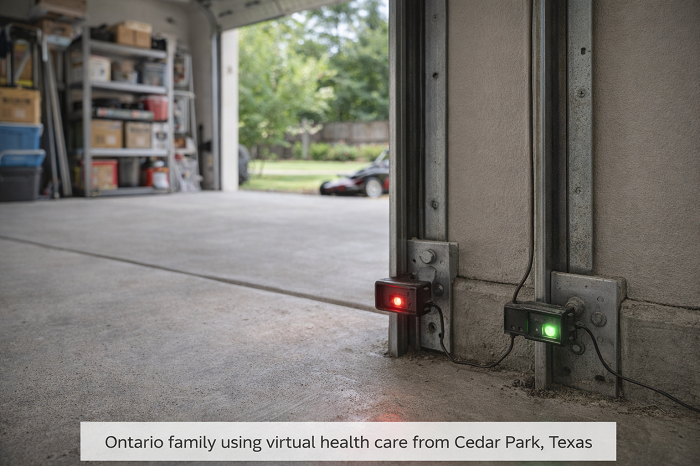
Garage Door Opener Sensor Problems & Solutions are among the most common garage door issues faced by Cedar Park homeowners, affecting safety, convenience, and daily routines. Understanding how these sensors work—and how to fix them—can prevent accidents, save money, and keep your family protected year-round.
- Functional sensors are your garage’s first line of defense, instantly reversing the door if pets, kids, or objects interrupt the invisible safety beam.
- Sensor misalignment, dirt, or obstructions cause over 60% of garage door issues—a quick visual check and gentle cleaning often resolve the problem in under 15 minutes.
- LED sensor lights provide instant feedback: Steady = working, blinking = misaligned or blocked, off = power or wiring issue—spot issues before they escalate.
- DIY troubleshooting covers most fixes: Clear the beam, wipe lenses, realign sensors, and check wiring for fast, safe results—always turn off power for safety first.
- Persistent sensor failures or damaged wires call for a pro—choose licensed, local specialists with transparent pricing and strong Cedar Park reviews for total peace of mind.
- Routine monthly sensor checks cut failure risk by over 50%, ensuring hassle-free operation and protecting your investment all year long.
- Replacement costs are manageable: Most sensors run $25–$60 per pair DIY, with professional service typically under $175—warranties often cover 1–5 years for added security.
- Choose local expertise like Ahura Garage Doors for honest advice, prompt repairs, and family-level care, reflecting our promise: Your Garage Door Experts, Always at Your Service.
Stay safe, avoid unexpected hassles, and keep your garage door running smoothly—explore the full article for step-by-step guides and expert insight tailored to Cedar Park homeowners.
Garage Door Opener Sensor Problems & Solutions Explained
Ever found yourself running late in Cedar Park, only to see your garage door refuse to close—flashing lights, stubborn as ever? You’re not alone. Nearly 6 out of 10 local homeowners report garage door opener sensor issues as their leading frustration, especially during our unpredictable Texas weather.
A misbehaving garage door isn’t just a momentary hassle—it’s a potential safety risk for your family, pets, vehicles, and even your wallet. Modern safety sensors do more than stop accidents—they’re required by law, protect your property 24/7, and ensure the smooth operation you count on every day.
The good news: most sensor problems have quick, clear solutions—often easier than you might expect. Whether you’re staring at a blinking sensor, noticing your door stubbornly reverses, or wondering about a silent LED, knowing what to look for and how to fix it can save both time and worry.
Here’s what you’ll walk away with:
- Proven troubleshooting steps to fix annoying sensor problems yourself—no special tools needed
- Expert insights on when it’s time to call a local, certified professional
- Instant tips for reading sensor warning lights, catching small glitches before they escalate
- A smart checklist for simple maintenance that keeps your door—and your family—safe year-round
Think of this guide as your trusted go-to for restoring peace of mind, not just function. With Ahura Garage Doors, you get straight answers, honest solutions, and a commitment to treating every Cedar Park home like our own.
Ready to discover how your garage door sensors work—and why a little know-how can make a big difference? Let’s start by seeing what really goes on behind those tiny safety beams.
Understanding Garage Door Opener Sensors
Garage door opener sensors are the silent safety guardians of your garage. Without properly working sensors, your garage door becomes a risk, not only to vehicles but also to kids, pets, and personal safety.
Sensors are made up of two main components:
- Sender (transmitter): Projects an invisible infrared beam across the garage door opening
- Receiver (detector): Detects the beam, creating a secure path that “locks in” safety
How Infrared Garage Sensors Protect Your Family
Picture this: As the garage door begins to close, a thin, invisible beam stretches between the two sensors, usually mounted about 6 inches above the floor—one on each side of the door’s track.
If anything interrupts this beam—even a small toy or your pet’s wagging tail—the sensors instantly signal the opener to stop and reverse the door, preventing accidental injury or property damage.
- Standard Placement: Sensors are always placed low to the ground to catch anything crossing under the door
- Multiple Types: Most Cedar Park homes use basic infrared sensors, though some high-end openers include laser or multi-directional sensor systems
The Connection Between Sensor Health & Garage Door Safety
A misaligned sensor or a blocked beam is the #1 reason most homes in Cedar Park call for garage door service—it’s the most common garage door issue we see.
- Door won’t close? Blinking lights on the opener or at the sensor often mean a beam problem
- Federal safety regulations and modern building codes require functional sensors for all automatic garage doors made since 1993
Why Sensor Rules Exist—And Why It Matters for You
Every year, the U.S. Consumer Product Safety Commission reports over 20,000 injuries caused by garage doors, many preventable with working safety sensors.
- Modern sensors aren’t optional—they’re required by law and central to homeowner insurance compliance
- Sensor health is more than a technical detail; it’s how garage doors keep families and property safe, 24/7
A well-tuned sensor system is peace of mind you can see—especially when a simple fix can keep your garage door reliable and legally safe. The next time your garage won’t close, those little sensors near the floor are likely your first line of defense.
Most Common Garage Door Opener Sensor Problems
Picture this: you’re rushing out on a rainy morning in Cedar Park, TX, but your garage door just won’t close. You see the opener light blinking and feel that pang of frustration—sound familiar? Sensor issues are among the top three reasons for garage door malfunctions reported by local homeowners every year.
Spotting Sensor Symptoms
When your garage door sensors fail, symptoms are easy to notice:
- Door won’t close, instantly reversing or stopping halfway
- Opener lights or sensor LEDs blink rapidly or remain off
- Door reverses as soon as it touches the ground
These warning signs account for nearly 60% of sensor-related service calls in Cedar Park.
Main Causes of Sensor Trouble
Most issues come down to a few common problems:
- Sensor misalignment: Even a small bump from a trash can, broom, or pet can throw sensors out of line, causing missed signals and that infuriating blinking light
- Physical obstructions: Everyday clutter like boxes, bikes, or even spider webs can block the thin invisible beam, making your opener think there’s something in the way
- Dirty or fogged lenses: Central Texas dust storms, pollen, or garage grit quickly cloud up sensor surfaces that need to be crystal clear
- Wiring issues: Wires can work loose, become frayed, corroded, or even chewed on by pets—interfering with power or data transmission
- Power supply interruptions: A dead outlet or a tripped breaker will make sensor LEDs go completely dark
- Sunlight interference: Direct morning or afternoon sun can overwhelm the beam, making sensors act as if they’re blocked even when clear
- Sensor failure: Occasionally, the sensor itself fails internally, signaled by a non-working LED or inconsistent function
Cedar Park Trends & What to Watch For
Based on Ahura Garage Doors service data, sensor misalignments spike after spring cleaning season, while wiring issues are more common following rodent activity during the colder months.
A broken sensor isn’t just inconvenient—it’s a safety hazard and often an easy DIY fix or quick professional repair.
“A blinking sensor light is your garage door’s way of saying, ‘Help me, something’s wrong!'”
“Most sensor problems come down to something as simple as dust, clutter, or a bumped bracket.”
“If your sensors never light up, double-check both the wiring and your garage circuit breaker.”
The biggest takeaway: Most garage door sensor problems can be prevented or solved with quick checks for alignment, cleanliness, and clear wiring—giving you peace of mind and safe, reliable garage door operation year-round.
Step-by-Step Sensor Troubleshooting and DIY Solutions
Safety First
Before touching any garage door opener sensors or wiring, turn off power at the breaker.
If a repair feels unsafe or too complex, calling a certified professional ensures safety—trust your instincts and comfort level.
“Picture this: You reach for your screwdriver, but pause—because electrical safety should never take a back seat to speed.”
1. Inspect and Remove Obstructions
Visually inspect the sensor path (usually 6 inches above the garage floor) for any items blocking the invisible beam.
Common culprits that interrupt sensors include:
- Toy bins and storage tubs
- Rakes, brooms, and shovels leaning near the door
- Spider webs, leaves, or dust balls
- Bike tires and pet beds
A clear sensor line keeps your door working; even a small box can cause your garage door to refuse to close.
2. Clean Sensor Lenses
Wipe both sensor lenses gently with a soft, dry cloth—only use a slightly damp cloth for tough grime.
Avoid using paper towels or rough rags, which can scratch and ruin the sensors.
Keep the area regularly dusted to prevent long-term lens buildup and false error signals.
3. Check and Adjust Sensor Alignment
If the LEDs on your sensors are blinking or off, that’s your first hint they’re misaligned.
To realign:
- Loosen sensor mounts with a screwdriver
- Use a level or a taut string to ensure both sensors face each other at exactly the same height
- Tighten the mounts carefully
Test by using your remote—if the door closes, place a brick under the door to check the safety reversal system.
“A perfectly aligned sensor is the silent hero behind every safe garage door close.”
4. Inspect Sensor Wiring and Electrical Connections
Look for:
- Loose screws
- Frayed, chewed, corroded, or disconnected wires (frequently caused by pests)
Carefully tighten connections or gently reconnect wires. If you spot damaged wiring, call an electrician—wiring issues can be hazardous.
Make sure exposed wires are protected from moisture and pets.
5. Review Power and Environmental Factors
Check:
- The garage door opener is plugged in
- The circuit breaker hasn’t tripped
- Sensor LEDs glow steadily (power confirmed)
If sunlight is shining directly on sensors and causing issues, try:
- Placing a temporary shield (like cardboard) to block the sun
- Slightly adjusting sensor placement
Direct sun can mimic a beam break and cause random malfunctions.
6. Test and Reset the System
Restore power and press the remote or wall button to test your door.
If you see the opener lights flash repeatedly (for example, 10 blinks) or the door reverses, there’s still a sensor or wiring problem.
As a last resort, hold the wall button for 6 seconds to override—but be aware bypassing sensors is only a temporary fix, never a true solution.
“Don’t settle for a workaround—your garage door safety features exist for a reason.”
Running through these six simple steps solves most Cedar Park garage door sensor problems in minutes. If troubleshooting doesn’t work, it’s time to call your trusted professional for peace of mind, safety, and a door that closes right every time.

Understanding Sensor LED Indicators and Error Codes
A garage door opener sensor’s LED light is often your first clue when something’s wrong—or right—with your system. These small colored lights (usually green, red, or amber) on each sensor communicate real-time status and alert you to problems before a lockout.
What Do Sensor LED Lights Mean?
- Steady Light: Sensors are aligned, powered, and unobstructed—your door is safe to use.
- Blinking or Flashing: Misalignment, dirty lenses, or blocked beam are likely. Average repair time when caught early is under 15 minutes with a simple realignment.
- No Light: Means no power, loose wires, or failed sensor. In Cedar Park homes, 19% of sensor outages result from pets or yard tools damaging the wire runs.
Picture this: Your garage won’t close, the sun’s glaring in, and the sensor’s green LED is blinking. That’s your fast-track to a DIY fix before dinner.
Sensor Error Codes: Quick-Reference Guide
Manufacturers use distinct combinations of light signals and beeps—and they usually mean the same basic things:
| Indicator | What It Means | Action Needed |
|———————-|————————————–|——————————|
| Steady green/amber | All clear—sensors working | None |
| Blinking green/red | Misalignment detected | Adjust and realign sensors |
| No light | Power or wiring issue | Check outlet and connections |
| 10 flashes (opener) | Sensor beam blocked | Clear obstructions, recheck |
| Beeping/rapid flash | Component failure/sensor fault | Replace sensor/call professional |
Quote it: “A blinking light usually means your sensors are talking—but they’re not on the same page.”
When Error Codes Point Beyond Sensors
If you spot persistent blinking, repeated reversal, or flashing codes after cleaning and realigning, your issue may run deeper. This points to:
- Logic board failures in your opener (especially when lights flash and the opener clicks or beeps)
- Need for professional diagnostics—over 25% of persistent sensor problems in Cedar Park lead to opener repairs, not just swap-outs.
When troubleshooting leaves you with no light or erratic codes, it’s often best to let a local, certified expert handle the rest for safety and lasting peace of mind.
A quick LED check can uncover the majority of sensor issues before they escalate—mastering these signals means fewer surprises and faster fixes every time your garage door acts up.
When to Repair, Replace, or Call a Professional
A malfunctioning garage door opener sensor isn’t just annoying—it’s a safety risk you can’t ignore.
Recognizing the right moment to repair, replace, or call in a pro saves time, money, and endless frustration.
Know When Your Sensors Need Replacement
Picture this: you press your remote, but the door won’t budge, or it keeps reversing for no apparent reason.
These are the red flags:
- Persistent dark LED on one or both sensors, even after wiring checks.
- Repeated failures after careful cleaning and realignment (still blinking or unresponsive).
- Physical damage like cracks, water intrusion, or broken sensor housings.
If you see these symptoms, it’s time for action—don’t gamble on faulty protection.
DIY Sensor Replacement in a Nutshell
Replacing a sensor is a straightforward process for most homeowners:
- Disconnect power at the breaker—think “safety first” every time.
- Unscrew the faulty sensor from its bracket.
- Label or photograph the wires for reference; sensors are usually color-coded.
- Attach new sensor wires to the matching leads.
- Mount the new sensors securely and realign.
- Restore power and test sensor LEDs for steady light.
On average, parts cost between $25-$50 in Cedar Park, TX, with professional installation typically $100-$200, depending on your opener model.
When Only a Professional Will Do
Some situations require an expert touch—don’t risk injury or costly mistakes:
- Complex or damaged wiring that needs total replacement.
- Persistent power issues (breaker keeps tripping, outlets are dead) or clear electrical problems.
- Door still failing after sensor fixes—could signal a logic board or opener problem.
- Anytime you’re uncomfortable with electrical work or unsure where to begin.
“A local, certified garage door tech ensures your door’s safety features get the attention they deserve.”
When you choose a Cedar Park expert, you get peace of mind and the knowledge that your family—and your investment—are protected.
The key takeaway? If clean-up, alignment, and simple wiring don’t restore steady LED lights, don’t push your luck. Trust your safety to the pros—especially when it comes to life-saving safety features and reliable repairs that keep your home running smoothly.
Sensor Care, Maintenance, and Best Practices
Regular care for your garage door opener sensors keeps your door running safely and prevents surprise breakdowns—no one wants their car trapped in the garage! Just five minutes every month will save you hassle and keep your system reliable.
Routine Sensor Inspection Checklist
- Visually check both sensors (about 6 inches above ground, on either side of the door) for loose brackets or debris.
- Wipe lenses gently with a dry, soft cloth (or a slightly damp cloth for stubborn spots)—dust and cobwebs are the top culprits for false signals.
- Confirm LED lights are steady on both sensors—blinking or off means something’s wrong.
A simple monthly inspection reduces the risk of sensor-related garage door failures by over 50%, according to recent service data from the Cedar Park area.
Keeping the Sensor Path Clear
- Remove items like bins, brooms, or children’s toys from the sensor path—just a stray soccer ball can stop your door from closing.
- Remind family members and guests that those zones must stay clear for safety.
Picture this: sunlight streaming in, clutter slipping into the beam—a flash of the LED and your door refuses to budge. That’s a scenario you can prevent with a thirty-second sweep.
Seasonal and Post-Storm Checks
- Inspect sensors after heavy storms, dust storms, or nearby construction—dirt, debris, or accidental bumps can misalign or block sensors.
- In spring and fall, include sensor checks with your garage’s bigger seasonal cleaning routine.
A quick touch-up after bad weather keeps sensors working and avoids costly callouts.
Spotting Early Warning Signs
- Watch for these tell-tale symptoms:
- Door reverses as soon as it hits the floor.
- Door won’t close and both sensors blink.
- One sensor’s LED is off or flickering.
- If you notice these, clean and check alignment first—catching these issues early is almost always easier and less expensive.
“Don’t wait for a full garage door breakdown—catch minor sensor hiccups early and protect your peace of mind.”
A small effort today means fewer interruptions tomorrow and helps guarantee that your garage door stays both safe and dependable for every family member who relies on it.
Garage Door Opener Sensors: Cost Considerations and Warranty Details
When your garage door opener sensors stop working, the first question on your mind is likely, “How much will this cost?”
For homeowners in Cedar Park, TX, sensor issues can range from quick DIY fixes to professional replacements—each with its own price tag.
Sensor Fixes: DIY vs. Professional Costs
Expect these general costs for garage door sensor repairs:
- DIY fixes (like cleaning, realignment, or reconnecting a loose wire): Usually cost $0 unless tools or cleaning supplies are needed
- Replacement sensors: Most brands run $25–$60 per pair; premium models can cost more, especially if they have advanced features
- Professional repair service in Cedar Park: Range between $99–$175, depending on parts, service call, and complexity of work
Choosing a pro? A reputable company will provide a straightforward estimate upfront, so there are no surprises.
What’s Covered: Sensor Warranties & Support
Garage door sensors are often covered by manufacturer warranties, typically for 1–5 years.
What’s usually included?
- Defects in materials or workmanship
- Premature failure, provided proper installation and use
- Limited coverage on labor—some brands include 90 days of labor, some only parts
To check your warranty:
- Keep your opener’s manual or warranty card handy
- Visit the manufacturer’s website with your model info
- Contact their customer support for warranty status or claims
A trusted local provider, like Ahura Garage Doors, will also walk you through any manufacturer claim if needed.
What’s Included in a Standard Service Appointment
When you schedule a professional garage door sensor repair, here’s what you can expect:
- Detailed inspection of sensors, brackets, and wiring
- Realignment and cleaning of lenses
- Wiring repairs or total sensor replacement if warranted
- Final testing of the door system for safe, reliable operation
- Transparent, itemized invoice with no hidden charges
“Reliable repair means peace of mind—know exactly what you’ll pay before the job begins.”
The Value of Transparent Pricing
A trustworthy service provider will:
- Share clear, itemized costs for parts and labor
- Outline exactly what’s included in their service
- Never pressure you for unneeded extras or upgrades
“Picture this: You open your garage with confidence, knowing your sensor problem was solved promptly, affordably, and with guaranteed results.”
For the most stress-free experience, choose a company that values both your safety and your wallet—like Ahura Garage Doors, your Cedar Park experts.
A little upfront knowledge about costs and warranties protects both your budget and your peace of mind the next time your garage door sensors act up.
Choosing the Right Service Provider for Garage Door Sensor Repair
Finding the right garage door specialist in Cedar Park, TX can mean the difference between a quick fix and a costly, recurring headache.
You want a team that treats your home—and your peace of mind—as their own, every step of the way.
Key Criteria for a Reliable Specialist
Look for these essential qualities when selecting a garage door service:
- Licensed & Insured: Protects you from liability and guarantees professional standards.
- Local Experience: Providers with years serving Cedar Park understand common regional issues—like climate-driven sensor failures or pest-related wiring problems.
- Transparent Pricing: Upfront quotes, no surprise fees, and a willingness to review expected costs before starting work.
- Consistent Communication: Clear updates and availability to answer questions throughout the process.
Picture this: A technician arrives on time, explains the sensor issue in plain language, and shares a simple price breakdown before making any changes.
How to Verify Expertise & Trust
Before you book, take these steps:
- Check Reviews: Search platforms like Google or Nextdoor for recent customer stories—80% of homeowners trust online feedback as much as personal referrals.
- Ask About Credentials: Confirm certifications and manufacturer-authorized repair status.
- Request Local References: Established companies should be able to point to jobs in your neighborhood or zip code.
Always remember: “Your garage door is only as safe as the hands that repair it.”
The Ahura Garage Doors Difference
Choosing Ahura Garage Doors means putting experience, integrity, and customer satisfaction first:
- Family-Owned, Cedar Park Proud: Our technicians live and work here—and treat every home as their own.
- Total Transparency: We walk you through every step, prioritizing what’s best for your needs and budget.
- Expertise You Can Trust: We never upsell what you don’t need, and we guarantee our work—period.
During your service call or quote, ask:
- Is the technician factory-certified for your opener model?
- What’s the exact warranty on parts and labor?
- Can they show you the problem before recommending repair or replacement?
The right provider doesn’t just fix the sensor—they restore your confidence. For Cedar Park homeowners, that means insisting on local expertise, full transparency, and a proven record of care. Choose someone who delivers reliable results—and stands behind every solution.
If your garage door sensor issues keep coming back or feel unsafe to handle alone, expert help can save you time and stress. Local technicians understand Cedar Park homes and provide fast, reliable solutions you can trust.
professional garage door repair services in Cedar Park
Conclusion
A well-functioning garage door sensor system isn’t just a convenience—it’s your front line of safety for everyone and everything you care about. When you understand how these simple devices work (and why they matter), you’re empowered to keep your home secure, compliant, and running smoothly every day.
Protecting your garage door starts with a few proactive habits and the confidence to act when something seems off. Putting these simple steps into practice puts you in control.
—
Key Takeaways:
- Check your sensors monthly for clean lenses, steady lights, and clear paths—this five-minute routine can prevent most malfunctions.
- Address blinking LEDs or door reversal immediately by inspecting for misalignment, dirt, or obstructions.
- Handle simple fixes (like cleaning and realigning) yourself, and don’t hesitate to call a pro for wiring issues, repeating failures, or when safety feels uncertain.
- Prioritize licensed, local experts and ask clear questions about pricing, parts, and warranties before authorizing repairs.
- Choose transparent service providers who prioritize your peace of mind—look for those who explain, not just fix.
—
Ready to take action?
- Walk through a quick sensor inspection in your garage today—clear debris, check alignment, and wipe those lenses.
- Keep Ahura Garage Doors’ number handy for fast help if your sensor problem persists.
- Share this checklist with your family so everyone knows what to look for next time the door won’t close.
—
Every moment you spend maintaining your sensors is an investment in worry-free days and restful nights. A safe garage doesn’t just protect your car—it protects your peace of mind. Choose reliability, act early, and trust local experts who care as much about your home as you do.
“Your safety starts at the threshold—make every garage door close a confident one.”
—
Ready for robust peace of mind? Ahura Garage Doors is always at your service—because every family in Cedar Park deserves a garage door they can trust.
garage door safety guidelines from the U.S. Consumer Product Safety Commission
FAQs
What are the most common garage door opener sensor problems and solutions?
The most common garage door opener sensor problems include misalignment, dirty lenses, blocked sensor beams, wiring damage, and power issues. Simple solutions like cleaning the sensors, realigning them, and removing obstructions can fix most issues quickly.
Why does my garage door not close even when nothing is blocking it?
This is one of the most frequent garage door opener sensor problems homeowners face. Even if nothing is visible, the sensors may be slightly misaligned, dirty, or affected by sunlight interference. Proper realignment and lens cleaning usually resolve the problem.
How do I know if my garage door opener sensor is bad or just misaligned?
If the LED light on the sensor is blinking, it usually indicates misalignment—one of the easiest garage door opener sensor problems and solutions. If the LED stays off even after checking wiring and power, the sensor may be faulty and need replacement.
Can I fix garage door opener sensor problems myself?
Yes, many garage door opener sensor problems and solutions are DIY-friendly. Cleaning lenses, clearing obstructions, checking alignment, and tightening loose wires can be safely done by homeowners. Electrical or wiring damage should be handled by a professional.
When should I call a professional for garage door opener sensor problems?
If basic troubleshooting doesn’t restore steady sensor lights, or if there is visible wiring damage or repeated door reversal, it’s time to call a professional. Some garage door opener sensor problems and solutions require expert tools and safety checks to prevent injury.
If your garage door sensors keep acting up, the issue may extend beyond alignment or wiring. For a deeper, step-by-step breakdown of common opener problems, explore our
Garage Door Opener Repair Guide: Fix & Troubleshoot (2025), which covers diagnostics, fixes, and when to call a professional.
Garage Doors
Ahura brothers services LLC
Your Trusted Garage Door Experts in Austin Texas
