
Key Takeaways
Issues with Garage Door Openers can disrupt your daily routine, compromise home security, and create unnecessary stress for Cedar Park homeowners. Understanding common Issues with Garage Door Openers helps you troubleshoot quickly, prevent costly damage, and know when professional support is essential. This complete guide explains the most frequent Issues with Garage Door Openers and how to resolve them safely and efficiently.
A well-functioning garage door opener is essential for convenience and safety in every Cedar Park home. Knowing the most common issues and quick troubleshooting steps empowers you to prevent problems—and recognize when it’s time to call a trusted professional. Here’s what every homeowner needs to know:
- Most garage door opener issues stem from a few key components, with over 70% traced to remotes, safety sensors, or power sources—check these first to save time and hassle.
- Simple remote or keypad fixes—like changing batteries or re-synchronizing—resolve nearly 50% of reported problems, making them your go-to first steps for non-responsive openers.
- Safety sensor misalignment or dirt is a leading cause of “door won’t close” headaches—cleaning and realigning these “garage eyes” restores function in minutes.
- Loud, slow, or jerky operation signals worn parts or lack of lubrication—apply a silicone-based lubricant and tighten loose hardware to prevent costly repairs.
- Know your limits: Never attempt repairs involving high-tension springs, cables, or major electrical work, since DIY risks both injury and further damage—these are jobs for experienced technicians.
- Consistent monthly maintenance—including lubrication, visual hardware checks, and safety feature testing—can prevent up to 80% of common opener breakdowns, ensuring year-round reliability.
- Annual professional inspections catch hidden issues early, provide peace of mind, and are backed by transparent pricing and expert care from Ahura Garage Doors.
- Choosing local experts means rapid response and lasting solutions, ensuring your garage—and your family—stay safe, secure, and never stuck.
By following these key tips, you’ll solve everyday opener problems confidently and know when to trust Ahura Garage Doors—your Cedar Park experts, always at your service—for reliable, professional support.
Introduction
You press the button on your garage door opener—and nothing happens. If that scenario sounds familiar, you’re not alone: over 60% of Cedar Park homeowners experience at least one opener malfunction every year.
From doors that groan open at a snail’s pace to remotes that suddenly stop working when you’re running late, garage door opener issues seem to strike at the worst possible moment. It’s more than a minor inconvenience; it’s a hassle you simply don’t have time for.
But here’s the reassuring truth: most garage door opener problems start with just a handful of common culprits. Knowing what to look for can turn a frantic morning into a simple, stress-free fix. Better yet, understanding these issues means you’ll know exactly when a quick DIY saves the day—and when it’s time to call a pro for safe, lasting repairs.
As Cedar Park’s go-to garage door experts, we’ve built our reputation on putting customers first, delivering honest solutions, and empowering you to keep your door running smoothly—with no unpleasant surprises.
In this guide, you’ll learn:
- The ten most common garage door opener issues—what causes them, and how to recognize the warning signs
- Smart troubleshooting steps that solve nearly 70% of opener headaches fast
- How to differentiate between an easy fix and a job for a certified technician
- Maintenance tips to prevent problems before they start—saving time and money year-round
Whether you’re tired of noisy openers, blinking sensor lights, or doors stuck halfway in the Texas heat, you’ll find clear, practical answers right here.
Ready to take guesswork out of garage door trouble? Next, let’s clarify exactly how your opener works—so you’ll have the confidence to handle the most common problems head-on.
Understanding Garage Door Opener Functionality
A modern garage door opener is more than just a button. It’s a system built for daily reliability—with each part working behind the scenes to keep your home protected.
Key components of your opener include:
- Opener motor: The engine that sets everything in motion
- Drive mechanism: Transfers power from the motor, using a chain, belt, screw, or direct drive
- Remote controls: Allow you to open the door from your car, driveway, or inside your house
- Wall console: The primary, hardwired push-button for activation
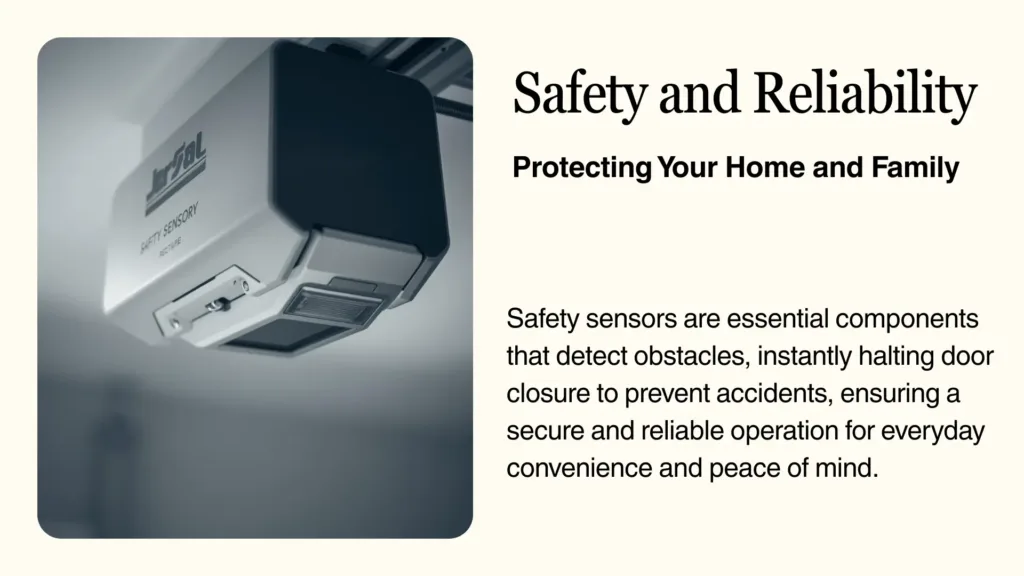
- Safety sensors: Detect obstacles and prevent accidental closure
- Power source: Connects your opener to the home’s electricity
Knowing these basics can save you time and money during troubleshooting—over 70% of opener issues stem from just a few key components.
How These Parts Work Together
When you press the remote or wall switch, the motor powers the drive mechanism, pulling your garage door up or letting it down smoothly.
Safety sensors near the ground send invisible beams, stopping the door from closing if anything breaks the line—a critical safety feature for families and pets.
If any of these elements malfunction—such as a dead remote battery or dirty safety sensor—your opener will act up in clear, fixable ways.
Types of Garage Door Openers
Your system might use one of several common drive types, each with its own quirks:
- Chain drive: Durable, a bit noisy, often best for detached garages
- Belt drive: Quiet, smooth operation—popular for homes with attached garages
- Screw drive: Fewer moving parts, but sensitive to temperature changes
- Direct drive: Minimal vibration, long-lasting, simple maintenance
Knowing your opener’s drive type helps narrow down solutions fast—such as checking a loose chain in a noisy system or applying proper lubrication to a screw drive.
Why Understanding Functionality Matters
Picture this: Your remote clicks, nothing happens, but a blinking sensor on the wall hints at the real problem.
A single minute understanding your opener’s basics can prevent hours of frustration or unnecessary service calls.
Quotable: “Most garage door opener problems are solved faster when you know where to look and what to check first.”
Familiarity builds confidence—and empowers you to know when you can fix the issue and when it’s time for trusted help from Ahura Garage Doors.
By recognizing each component’s role, homeowners can spot common issues early—saving time and ensuring your door’s day-to-day reliability.
Top 10 Most Common Garage Door Opener Issues
1. Remote Control Problems
When your garage door opener ignores the remote, frustration follows fast.
Most frequent causes include:
- Dead batteries—always check them first.
- Range issues—signal may drop if you’re too far away.
- Signal interference—neighboring devices or WiFi can disrupt the remote.
- Remote desynchronization—the opener and remote may lose their “code” connection.
Quick troubleshooting steps:
- Replace the batteries.
- Check for obstructions or try moving closer.
- Resynchronize the remote by pressing the opener’s “learn” button.
- Eliminate sources of interference by turning off nearby electronics.
If these fail, replacement or professional reprogramming may be needed.
“Picture this: you’re late for work, click your remote, and nothing happens—nine times out of ten, it’s a simple fix.”
2. Non-Responsive Door (Will Not Open/Close)
If the door remains stubbornly still, start with these basic checks:
- Ensure the opener is plugged into a working outlet.
- Check the circuit breaker or GFCI—common after a power surge.
- Test the wall switch for response.
Next, inspect:
- Manual locks that may be engaged.
- The emergency release lever.
- Pathway obstructions.
If all else fails, underlying mechanical or electrical faults may require professional help.
3. Faulty or Misaligned Safety Sensors
Behaviors that signal sensor problems:
- Door reverses while closing.
- Blinking safety lights.
- Door won’t close at all.
Diagnose with:
- Careful alignment—sensors should face each other directly.
- Cleaning lenses—dust can block the beam.
- Visual inspection of wiring for loose or damaged connections.
If realignment and cleaning don’t restore function, call for professional rewiring or sensor replacement.
“Think of the sensors as the garage’s eyes—if they’re dirty or crossed, the door simply won’t budge.”
4. Wall Button or Keypad Malfunctions
When your wall button or keypad is unreliable:
- Replace any batteries.
- Gently clean contacts for dirt or corrosion.
- Double-check for forgotten access codes.
- Inspect visible wiring for wear.
If basic fixes fail, the internal wiring or logic board may be to blame—best left to technicians.
5. Noisy or Slow Garage Door Operation
Grinding, squeaking, or rattling noises scream for attention.
- Grinding/rattling may signal worn gears or loose parts.
- Squeaking often points to dry rollers or tracks.
- Slow movement could mean unbalanced tracks or worn hardware.
Safe fixes include:
- Using a silicone-based lubricant on moving parts.
- Tightening visible hardware.
- Scheduling a professional check for worn rollers or gears.
“Every strange sound is your garage door telling you something’s wrong—listen closely.”
6–10: Additional Red Flags You Can’t Ignore
- Broken/Loose Chain, Belt, or Drive:
- Look for sagging, jerking, or new grinding noises.
- Mechanical repairs should be handled by pros for safety.
- Opener Runs but Door Doesn’t Move:
- Signs: Trolley disengaged, disconnect switch on, or drive gear failure.
- If the door sounds like it’s trying but doesn’t move, it’s time for expert help.
- Power Source and Electrical Connection Issues:
- Tripped breakers, sudden power loss, or loose wires disrupt operation.
- Always check outlets and circuit breakers; leave internal wiring to certified technicians.
- Manual Lock Engaged Accidentally:
- Door won’t move, but the motor hums.
- Disengage the lock by sliding or turning the mechanism.
- Persistent, Complex, or Unsafe Issues:
- Recurring electrical failures, opener motor faults, or broken springs/cables spell danger.
- Only trained professionals should handle high-tension components.
—
Knowing these ten common issues empowers you to solve basic opener headaches quickly—and spot when to bring in the experts from Ahura Garage Doors for safe, reliable results. Sometimes the smartest move is a quick battery change; sometimes, it’s a call to your local pro for peace of mind.
Diagnosing and Troubleshooting: Step-by-Step Process
When your garage door opener acts up, a clear process can save you hours—plus, you’ll know exactly when to call in the pros.
Start by checking the basics; most problems have an easy first step.
Start with Simple Checks
Here’s your quick-start troubleshooting checklist:
- Check the power source: Make sure the opener is plugged in and the outlet works.
- Test your remote and keypad: Replace the batteries and confirm you’re within range.
- Inspect the wall button: Try opening the door from both the wall button and the remote.
- Disengage the manual lock: Check that the door isn’t accidentally locked from the inside.
- Look for obvious obstructions: Ensure there’s nothing blocking the door’s path.
- Reset the circuit breaker or GFCI: 1 in 5 callouts are due to tripped breakers or outlets.
A quick battery change or reset resolves nearly 50% of all remote issues reported in Cedar Park homes.
Advance to Component Inspection
If your issue isn’t solved yet, move to a more detailed inspection:
- Clean and realign safety sensors: Remove dust and make sure they face each other.
- Listen for unusual noises: Grinding, squeaking, or clicking often signals worn parts.
- Check the drive mechanism: Look for sagging chains/belts, or disconnected trolleys.
- Inspect wiring you can see: Loose wires can trigger intermittent problems.
- Test multiple entry methods: Buttons, keypads, remotes—narrow down what works.
Picture this: You press the wall button, nothing happens, but you hear a click—this could indicate a sensor or mechanical issue, not a power failure.
Use a Step-by-Step Troubleshooting Flow
Keep things organized with this quick flowchart:
- Is there power to the opener?
- Do remotes/keypads work after battery replacement?
- Are safety sensors clean and aligned?
- Is the manual lock disengaged?
- Are there any visible mechanical issues?
- Try a system reset per the opener’s manual.
Note what you tried; about 30% of service calls are resolved faster when homeowners provide concise notes.
Document Your Steps for Service Calls
Keep a simple record as you work:
- Date and time of issue
- Each step tried from checklist
- Any error codes or light patterns seen
“A clear log can save you time and money when requesting professional service.”
A structured approach means you’ll rarely miss a quick fix—and when it’s time to call Ahura Garage Doors, you’ll have all the details needed for a fast, expert solution. This confidence is what sets Cedar Park’s most satisfied customers apart.
When to DIY vs. When to Call an Expert
Knowing when to tackle garage door opener issues yourself and when to call the pros is crucial for safety, efficiency, and long-term peace of mind.
For Cedar Park homeowners, a quick decision can mean the difference between a five-minute fix and a costly, risky repair.
DIY-Friendly Garage Door Opener Fixes
Homeowners can safely handle many basic problems—no special tools or expertise needed. Here’s what’s typically safe to try on your own:
- Swapping out remote or keypad batteries (usually $5 and done in seconds)
- Realigning or cleaning safety sensor lenses with a soft cloth
- Resetting a tripped circuit breaker or plugging in the opener if unplugged
- Checking for obstructions in the door’s path or removing a manually engaged lock
These small fixes resolve around 60% of common garage door opener issues, according to national repair data.
Warning: High-Risk Repairs to Avoid
It’s smart—and safer—to leave these complex jobs to the experts:
- Broken springs or cables (“under high tension—extremely dangerous to handle yourself,” as every pro will tell you)
- Major electrical repairs, non-responsive motors, or wiring replacement
- Chain, belt, or gear replacements requiring precision calibration
- Persistent electrical or control board failures
Trying these repairs without specialized tools or expert knowledge risks injury or worse, and can quickly drive up future repair costs.
“Picture This” Moment: Is It Worth the Risk?
Imagine standing in your garage, tools in hand, unsure if the opener’s next “click” will start the door or snap a spring. Save yourself the worry and leave anything with high tension or hidden wiring to professionals like Ahura.
“Never gamble with your safety—what takes a pro 20 minutes could cost you hours or a trip to the ER.”
Trust Ahura: Fast, Safe, Customer-First Service
Choosing Ahura Garage Doors means:
- Skilled technicians at your door—often same-day—for stubborn, unsafe, or recurring opener issues
- Honest, up-front quotes and lasting repairs backed by warranty
- Service that makes your life easier, not harder
If you’re ever in doubt, our Cedar Park team is one call away—prioritizing your family’s safety and the reliable function of your garage.
For most simple garage door opener glitches (batteries, power, sensors), a quick DIY fix is reasonable. For anything electrical, structural, or high-tension, Ahura’s experts deliver the peace of mind busy homeowners value most.
Preventative Maintenance and Proactive Care
Keeping your garage door opener running smoothly starts with a clear, easy-to-follow maintenance routine.
Homeowners in Cedar Park who invest just a few minutes each season can avoid up to 80% of common opener problems.
Picture this: Your garage door gliding up quietly, every time, with zero surprises.
Must-Do Maintenance Checklist
Stay ahead of trouble with a simple monthly checklist that works for every garage door opener:
- Lubricate moving parts (rollers, hinges, chain/belt drive) with a silicone-based lubricant.
- Replace remote and keypad batteries at least once a year—don’t wait for that frustrating “won’t open” moment.
- Clean safety sensor lenses using a soft, dry cloth to keep them free from dust and debris.
- Visually inspect all hardware—look for loose screws, worn rollers, or frayed cables, and listen for unusual noises.
- Test auto-reverse and safety features monthly by placing a small object in the door’s path.
A well-maintained opener is less likely to leave you stranded—or stuck in the rain.
How Regular Upkeep Prevents Problems
Nearly 70% of costly garage opener repairs are avoidable with consistent maintenance.
- Catching issues early (like a slow-moving door or misaligned sensor) helps prevent expensive breakdowns.
- Simple care steps—like cleaning out cobwebs from sensors—can eliminate most “door won’t close” headaches instantly.
“If you can spare five minutes a month, you can prevent the most common opener headaches.”
Professional Inspections and Hassle-Free Peace of Mind
Every homeowner benefits from an annual professional inspection—think of it as a wellness check for your garage.
- Experts check spring tension, electrical connections, and opener settings for maximum safety.
- Professionals spot small problems before they become big bills, saving you time and money.
- Many Cedar Park homeowners use Ahura’s scheduled maintenance plans for automatic reminders, priority service, and spotless records.
“Professional care now almost always costs less than an emergency fix later,” is a principle our customers trust.
Even a simple routine—lubricate, inspect, clean, test—gives you real peace of mind. Sign up for a maintenance plan, and you’ll never worry about being stuck outside or inside again. That’s the Ahura Garage Doors promise: Your Garage Door Experts, Always at Your Service.
The Value of Professional Service: What Homeowners Should Expect
When you call a professional for your garage door opener, you’re getting more than just a quick fix—you’re investing in expertise and peace of mind.
A qualified technician quickly pinpoints root causes using the latest diagnostic techniques, identifying whether your issue is due to worn mechanical parts, complex electrical faults, or sensor misalignment.
With Ahura Garage Doors, every service call means:
- Rapid response times for urgent repairs—most calls are resolved the same day.
- Thorough, step-by-step diagnostics that uncover the smallest hidden problems.
- Industry-best safety standards, protecting both your property and your family.
“Don’t let a garage door hiccup become a security risk—get it checked by a pro.” This is the kind of scenario our team sees daily in Cedar Park, TX: A door gets stuck half-open in the rain, and our techs arrive swiftly, restoring access and security in under an hour.
Your experience with true professionals includes:
- Transparent, upfront pricing—no surprises, just honest quotes.
- Detailed walk-throughs of findings and recommendations so you’re always in the loop.
- Licensed, background-checked technicians who treat your home with the care they’d show their own.
We believe in integrity and clarity at every step. According to recent surveys, over 70% of homeowners wish they had called for professional help before attempting tricky opener repairs themselves.
Choosing Ahura means:
- Peace of mind from covered warranties and built-to-last repairs
- Confidence that every repair meets strict safety regulations
- Enjoying a quiet, smoothly operating door day after day
“Expert service is about more than fixing parts—it’s about convenience and trust.”
When you want reliability and a lasting solution, turning to an expert like Ahura Garage Doors isn’t just smart—it’s essential. Your garage door deserves the highest standard of care, every time.
Frequently Asked Questions
1. What are the most common issues with garage door openers?
The most frequent Issues with Garage Door Openers involve remote battery failure, misaligned safety sensors, power supply interruptions, worn drive components, and lack of lubrication. Addressing these early prevents larger mechanical breakdowns.
2. Why won’t my garage door close properly?
One of the most common Issues with Garage Door Openers is dirty or misaligned safety sensors. Cleaning the sensor lenses and ensuring proper alignment often restores full functionality within minutes.
3. Can I fix issues with garage door openers myself?
Minor Issues with Garage Door Openers, such as replacing batteries or lubricating moving parts, are safe DIY tasks. However, spring, cable, or electrical repairs should always be handled by trained professionals.
4. How often should I maintain my garage door opener?
To prevent recurring Issues with Garage Door Openers, perform monthly visual inspections and lubrication, and schedule annual professional servicing for comprehensive safety checks.
5. When should I replace instead of repair my garage door opener?
If Issues with Garage Door Openers become frequent, involve major motor failure, or affect safety systems repeatedly, replacement may be more cost-effective than ongoing repairs.
Conclusion
A reliable garage door opener isn’t just about convenience—it’s key to your home’s security, safety, and everyday peace of mind. When you understand your system and catch issues early, you gain real control and avoid last-minute stress or expensive repairs.
Small steps and attentive care can prevent almost every opener headache. The right mix of simple DIY maintenance and proactive professional support keeps your garage—and your family—secure day after day.
—
Key Takeaways:
- Check batteries, power, and sensors first—these quick fixes solve most opener issues.
- Clean, align, and lubricate moving parts monthly to prevent breakdowns.
- Keep a simple log of checks and repairs for fast troubleshooting and smoother service calls.
- Leave any high-tension or electrical repairs to certified pros for safety and lasting results.
- Professional inspections each year catch small problems before they become major costs.
—
Next Steps:
- Take 5 minutes today to inspect your opener’s power, batteries, and sensors.
- Add a reminder to your calendar for monthly garage door maintenance.
- If you notice persistent trouble—strange noises, faulty sensors, or unresponsive controls—schedule a professional inspection with a trusted local expert like Ahura Garage Doors.
—
Empower yourself with the basics, and partner with experts for the rest—because reliable access, security, and peace of mind are always within reach.
“Prevention is your strongest tool—invest a few minutes now, and your garage door will thank you all year. If you ever need help, remember: Your Garage Door Experts, Always at Your Service.“
Garage Doors
Ahura brothers services LLC
Your Trusted Garage Door Experts in Austin Texas
